
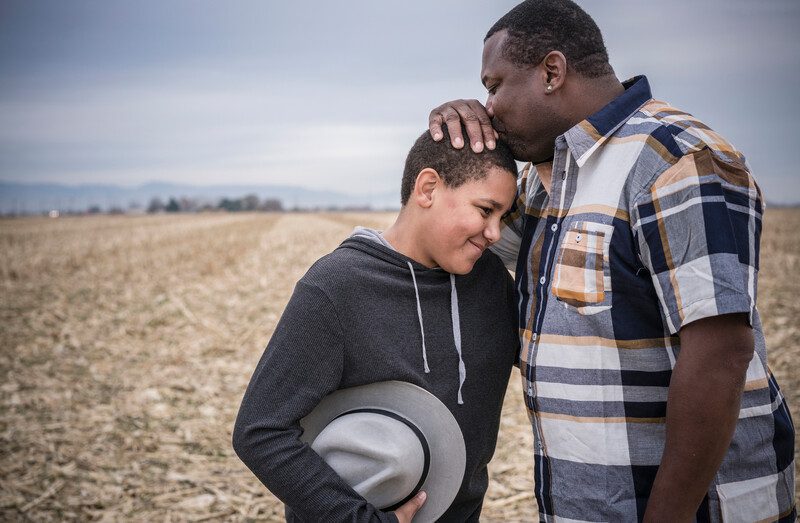
There’s a moment every parent faces—the one where your teenager says something that cuts deep. Maybe they say, “You don’t understand me.” Or maybe they stop talking altogether, locking themselves behind closed doors, leaving you wondering what’s happening in their heart.
As a parent or caregiver, it’s terrifying. You can feel the distance growing, and all you want to do is fix it—to make their pain stop, to bring back the light that used to be there. But what teens often need most isn’t fixing. It’s to be felt with.
Your Teen Isn’t Pushing You Away—They’re Reaching Out in the Only Way They Know How
When a teen lashes out, withdraws, or says something harsh, it’s easy to feel attacked or blamed. You may want to defend yourself, explain your intentions, or remind them how much you’ve done for them. But underneath their words is often a cry that sounds more like:
- “Please see me.”
- “Please hear me.
- “Please don’t give up on me.”
Teen pain can come out sideways—it looks like anger, apathy, sarcasm, or defiance. But it’s usually hurt wearing armor. The more hurt they feel, the thicker the armor becomes. And your job isn’t to break it down with words—it’s to patiently stay present until they feel safe enough to take it off themselves.
Listening Without Feeling Attacked
This might be one of the hardest parts of parenting—listening to painful things your child says without letting it pierce your sense of worth or love. When your teen says, “You don’t get it,” it doesn’t mean you’ve failed. It means they’re struggling to find the words for something big inside them.
When they say, “You make me feel worse,” it may not be about you at all—it may be about how helpless they feel.
Try to breathe through those moments. Don’t defend. Don’t lecture. Just be still. Sometimes the most healing words you can say are:
- “I can see how much this is hurting you.”
- “Thank you for trusting me enough to tell me.”
- “I’m not going anywhere.”
Because that’s what every hurting teen is really asking: Are you still here with me, even when it’s hard?
Validation Is Not Agreement—It’s Love in Action
Validation means you’re saying, “Your feelings are real.” You’re not saying they’re right or that their perspective is perfect—you’re saying they matter.
When a teen feels truly validated, it calms the storm inside them. It tells their nervous system, I’m safe. Someone sees me.That safety is what allows healing to begin.
Creating Safety at Home
A home doesn’t have to be perfect to feel safe. It just needs to be consistent and compassionate. When your teen knows that even their hardest emotions won’t scare you away, something inside them begins to trust again.
That might look like:
- Letting them sit in silence without demanding they talk.
- Saying “I love you” even when they can’t say it back.
- Choosing calm over control when emotions run high.
- Remembering that listening is more powerful than advice.
When Listening Isn’t Enough
If your teen’s sadness turns into hopelessness, or if they talk about wanting to give up, please don’t wait. It’s not overreacting to ask for help—it’s protecting their life. Reaching out to a mental health professional, school counselor, or therapist is an act of love and courage.
You don’t have to have all the answers. You just have to take that first step toward support. Parenting a hurting teen takes bravery. It means learning to stay soft even when you feel blamed. It means seeing past the anger to the pain. It means being the steady ground when their world feels like it’s falling apart. And it can create a life-long connection between you and your teen.
If you or your loved one is experiencing a mental health crisis, CALL 988 or seek the nearest emergency room.
For physical health emergencies, CALL 911 or get to the nearest emergency room.